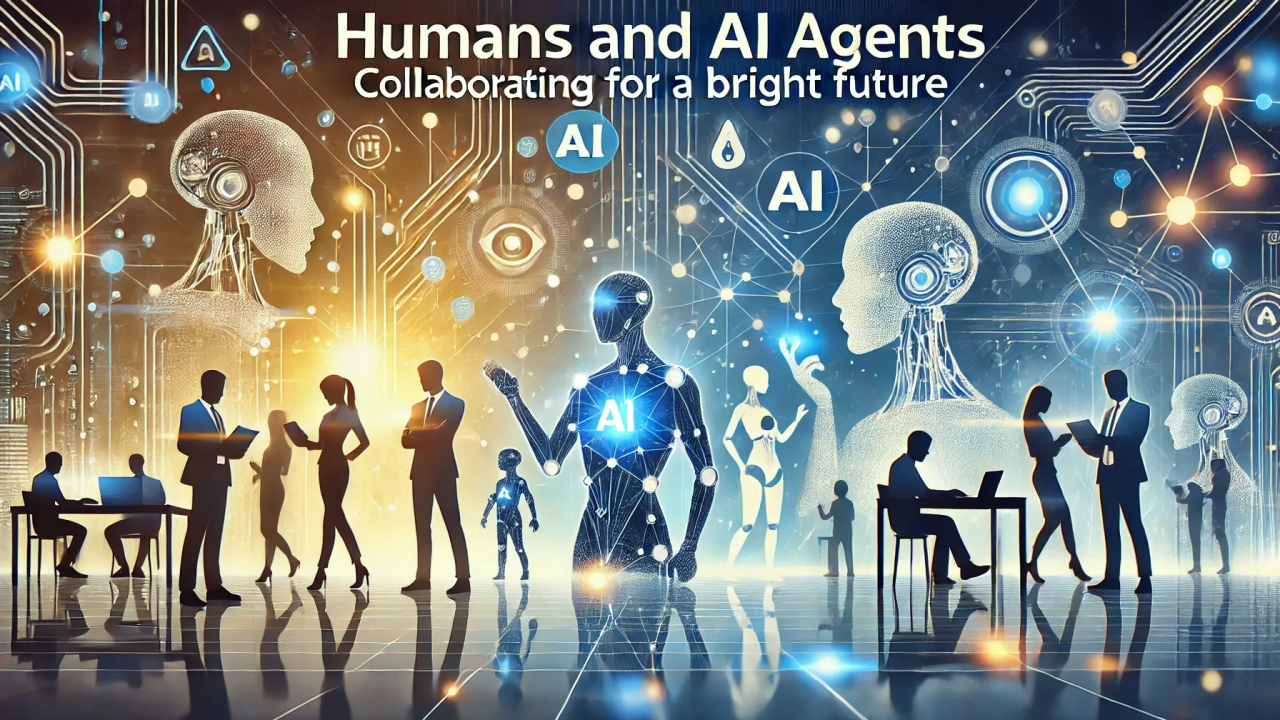
For years, AI assistants have lived inside chat windows—helpful, yes, but limited. Ask a question, get an answer. Type a command, receive a response. That era is ending. The future of AI assistants goes far beyond chatbots, evolving into autonomous, proactive, and deeply integrated digital partners that work alongside humans across devices, environments, and industries.
From Reactive to Proactive Intelligence
Traditional chatbots wait for instructions. Future AI assistants won’t.
Next-generation assistants will anticipate needs before users ask. They’ll analyze context—your schedule, habits, goals, and environment—to take initiative. Imagine an assistant that:
- Reschedules meetings when travel delays are detected
- Prepares reports before deadlines based on past patterns
- Suggests health adjustments based on long-term behavior trends
Instead of “What do you need?”, the assistant will say, “I’ve already taken care of it.”
Multimodal Assistants: Beyond Text and Voice
Chatbots rely heavily on text and voice. Future AI assistants will be multimodal, understanding and responding through:
- Speech and natural conversation
- Visual input (screens, documents, environments)
- Gestures, expressions, and even biometric signals
- Real-world context from sensors and devices
This allows AI to interact more like a human collaborator—seeing what you see and responding appropriately.
Autonomous AI Agents That Execute Tasks
The biggest shift is from conversation to execution.
Future AI assistants will act as AI agents capable of completing complex tasks end-to-end:
- Researching options
- Making decisions within defined boundaries
- Coordinating with other AI systems
- Taking real-world actions (booking, deploying, optimizing)
Instead of guiding the assistant step by step, users will define goals—and the AI will handle the process.
Deep Integration Into Daily Life
AI assistants will no longer live in apps. They’ll be embedded everywhere:
- Operating systems
- Smart homes and cities
- Vehicles and wearables
- Workplaces and factories
This ambient presence means the assistant is always available but rarely intrusive—working quietly in the background until needed.
Personalized, Long-Term Memory
Future assistants will maintain long-term contextual memory (with user control). They’ll remember preferences, working styles, and past decisions, allowing them to:
- Adapt tone and communication style
- Improve recommendations over time
- Offer continuity across months or years
This turns AI from a tool into a trusted digital companion that grows with the user.
Industry-Specific Intelligence
Generic chatbots are giving way to specialized AI assistants:
- Healthcare: Monitoring patients, supporting diagnostics, coordinating care
- Marketing & Business: Strategy planning, campaign optimization, competitive analysis
- Education: Personalized tutors adapting to learning styles
- Engineering & IT: Autonomous debugging, system monitoring, and deployment
These assistants will understand domain-specific rules, ethics, and workflows—not just language.
Collaboration Between Humans and AI
Rather than replacing humans, future AI assistants will augment decision-making. They’ll provide insights, simulate outcomes, and challenge assumptions—acting like a highly skilled colleague who never gets tired.
The best results will come from human judgment + AI execution.
Privacy, Trust, and Control
As AI assistants become more powerful, trust becomes critical. The future will prioritize:
- Transparent decision-making
- User-controlled memory and permissions
- On-device or private processing where possible
- Clear boundaries between suggestion and action
Assistants that earn trust will win adoption.
The Big Picture
The future of AI assistants is not about better chat replies. It’s about intelligent systems that understand context, take initiative, and deliver real outcomes.